
Delve into the intricate world of Commercial Auto Insurance Cost Factors Explained, where every detail plays a crucial role in determining insurance premiums. Get ready to uncover the key elements that shape the costs of commercial auto insurance in this informative journey.
Explore the factors affecting costs, the types of vehicles covered, driver's history and behavior, and coverage limits and deductibles in this comprehensive guide.
Factors Affecting Commercial Auto Insurance Costs
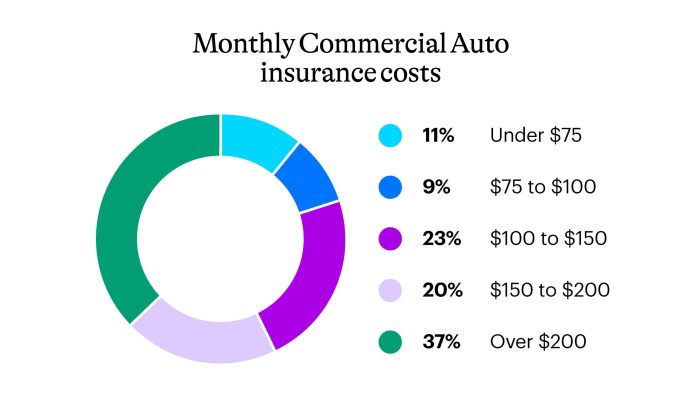
When it comes to determining the cost of commercial auto insurance, there are several key factors that insurance providers take into consideration. Understanding these factors can help business owners make informed decisions and potentially lower their insurance premiums.
Type of Vehicle
The type of vehicle being insured plays a significant role in determining insurance costs. Vehicles that are more expensive to repair or replace, such as luxury cars or commercial trucks, typically have higher insurance premiums. Additionally, the age and condition of the vehicle can also impact insurance costs.
Driving Record
The driving record of the individual or individuals who will be operating the commercial vehicles is another crucial factor. Drivers with a history of accidents or traffic violations are considered higher risk and may face higher insurance rates. On the other hand, drivers with clean records are likely to qualify for lower premiums.
Vehicle Use
The intended use of the vehicle also affects insurance costs. Commercial vehicles that are used for long-haul transportation will have higher premiums compared to those used for local deliveries. The frequency of vehicle use and the average number of miles driven per year are also taken into account.
Location
The location where the vehicles will be operated plays a role in determining insurance costs. Areas with higher rates of accidents, theft, or vandalism are considered riskier, resulting in higher premiums. Urban areas generally have higher insurance rates compared to rural areas.
Coverage Limits
The type and amount of coverage selected for commercial auto insurance also impact costs. Higher coverage limits and additional insurance options, such as comprehensive and collision coverage, will result in higher premiums. Business owners need to balance coverage needs with budget constraints to find the right insurance policy.
Claim History
The past claims history of the business can influence insurance costs. A higher frequency of claims or a history of large payouts can lead to increased premiums. Maintaining a clean claims record can help businesses qualify for lower insurance rates over time.
Industry Risks
Certain industries carry higher risks than others, impacting insurance costs. For example, businesses involved in hazardous materials transportation or passenger transportation may face higher premiums due to the increased risk of accidents. Insurance providers assess industry-specific risks when determining pricing.
Driver Training Programs
Participation in driver training programs or safety courses can sometimes lead to discounts on commercial auto insurance. Businesses that invest in driver education and safety initiatives demonstrate a commitment to reducing risks, which can translate to lower insurance premiums.
Types of Vehicles Covered
When it comes to commercial auto insurance, the type of vehicle being insured plays a significant role in determining insurance costs. Different vehicles have varying risk factors associated with them, which can impact the premiums charged by insurance companies.
Passenger Vehicles
Passenger vehicles, such as cars and vans used for business purposes, are generally less expensive to insure compared to larger commercial vehicles. This is because passenger vehicles are typically involved in fewer accidents and are cheaper to repair in case of damages.
Commercial Trucks
Commercial trucks, including tractor-trailers and delivery trucks, tend to have higher insurance premiums due to the increased risks they pose on the road. These vehicles are larger, heavier, and often carry valuable cargo, making them more susceptible to accidents and potential damage.
Specialty Vehicles
Specialty vehicles like tow trucks, food trucks, and other customized commercial vehicles may also come with higher insurance costs. These vehicles have unique features and purposes, which can make them more expensive to insure as they may require specialized coverage to adequately protect them.
Recreational Vehicles
In some cases, businesses may use recreational vehicles for commercial purposes, such as mobile offices or advertising vehicles. Insuring these types of vehicles can be more costly as they may not fit into traditional commercial auto insurance categories, requiring customized coverage plans.
Conclusion
The type of vehicle being insured is a crucial factor in determining commercial auto insurance costs. Understanding the risk factors associated with different types of vehicles can help businesses make informed decisions when selecting insurance coverage for their fleet.
Driver's History and Behavior
When it comes to determining commercial auto insurance costs, a driver's history and behavior play a significant role. Insurance companies assess the risk associated with insuring a driver based on their past record and current driving habits.Accidents or violations on a driver's record can lead to higher insurance rates.
This is because a history of accidents or traffic violations indicates a higher likelihood of future claims, which poses a greater risk for the insurance company. As a result, drivers with a history of accidents or violations may face increased premiums.On the other hand, safe driving practices can help lower insurance costs.
Drivers who maintain a clean driving record, follow traffic laws, and avoid accidents are seen as lower-risk by insurance providers. This can result in lower premiums and discounts for safe driving behavior.
Impact of Driver's History and Behavior on Insurance Costs
- Drivers with a history of accidents or violations may face higher insurance rates due to increased perceived risk.
- Safe driving practices, such as maintaining a clean record and following traffic laws, can lead to lower premiums.
- Insurance companies offer discounts for safe driving behavior, incentivizing drivers to practice caution on the road.
Coverage Limits and Deductibles
When it comes to commercial auto insurance, coverage limits and deductibles play a crucial role in determining the cost of your premiums. Understanding how these factors interact can help you make informed decisions to manage your insurance costs effectively.Choosing different coverage options can have a significant impact on your premiums.
Higher coverage limits typically result in higher premiums, as they offer more extensive protection in case of accidents or damages. On the other hand, opting for lower coverage limits can help lower your premiums but may leave you exposed to higher out-of-pocket costs in the event of a claim.Similarly, deductibles also affect your insurance costs.
A deductible is the amount you agree to pay out of pocket before your insurance coverage kicks in. Generally, choosing a higher deductible can lower your premiums, as you are taking on more financial responsibility in the event of a claim.
Conversely, a lower deductible will result in higher premiums but reduce your out-of-pocket expenses in case of an accident.When selecting coverage limits and deductibles, it's essential to strike a balance between managing your insurance costs and ensuring you have adequate protection.
Consider factors like the value of your vehicles, your risk tolerance, and your budget when deciding on the right coverage options for your business.
Selecting Appropriate Coverage Limits and Deductibles
- Assess the value of your vehicles and assets to determine the appropriate coverage limits.
- Evaluate your risk exposure and financial capabilities to decide on suitable deductibles.
- Consider your budget and the level of protection you need when choosing coverage options.
- Review your insurance needs regularly and adjust your coverage limits and deductibles as your business evolves.
Final Summary
As we reach the end of our exploration into Commercial Auto Insurance Cost Factors Explained, it becomes clear that a nuanced understanding of these elements is essential in navigating the world of commercial auto insurance. Make informed decisions to secure the best coverage at the most competitive rates.
Expert Answers
What factors influence commercial auto insurance costs?
Factors like the type of vehicle, driver's history, coverage limits, and deductibles play a significant role in determining commercial auto insurance costs.
How does driver behavior impact insurance rates?
Driver behavior, such as safe driving practices, can lead to lower insurance premiums as it reduces the risk of accidents.
What are some examples of coverage options affecting premiums?
Choosing comprehensive coverage over basic coverage or opting for higher deductibles can increase or decrease insurance premiums.