
Exploring the realm of Commercial Auto Insurance for Fleet-Based Businesses uncovers the critical protection it offers to businesses with vehicle fleets. From mitigating risks to ensuring financial security, this topic delves into the essential aspects of insurance coverage for fleet operations.
Detailing the various types of coverage, factors influencing premium costs, and best practices for managing insurance policies, this discussion aims to equip fleet-based businesses with the necessary knowledge to make informed decisions regarding their insurance needs.
Importance of Commercial Auto Insurance for Fleet-Based Businesses
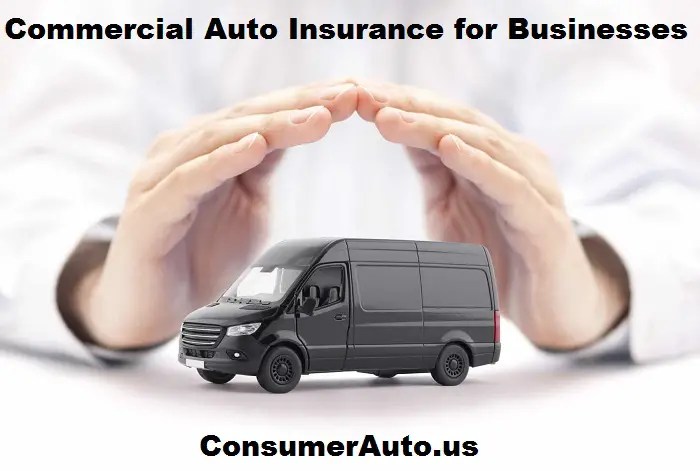
Commercial auto insurance is a critical investment for fleet-based businesses to protect their vehicles, drivers, and overall operations. Without proper insurance coverage, these businesses face significant risks that could lead to financial losses and operational disruptions.
Risks Faced Without Proper Insurance Coverage
Fleet-based businesses without commercial auto insurance are vulnerable to a range of risks, including:
- Liability for accidents involving their vehicles, leading to costly legal claims and settlements.
- Damaged or stolen vehicles that can impact the business's ability to fulfill orders or provide services.
- Injuries to drivers or passengers, resulting in medical expenses and potential lawsuits.
- Loss of revenue due to vehicle downtime from accidents or breakdowns.
How Commercial Auto Insurance Helps Protect Businesses
Commercial auto insurance provides essential protection for fleet-based businesses by:
- Offering liability coverage to handle legal expenses and settlements in case of accidents.
- Providing coverage for vehicle repairs or replacements due to accidents, theft, or other damages.
- Offering medical payments coverage for injuries to drivers or passengers, reducing out-of-pocket expenses.
- Ensuring business continuity by covering vehicle downtime and loss of revenue due to covered incidents.
Types of Coverage Offered in Commercial Auto Insurance
Commercial auto insurance for fleet-based businesses typically offers a range of coverage options to protect the vehicles and drivers in the fleet. It is essential for businesses to understand the different types of coverage available to ensure they are adequately protected in various situations.
Comprehensive Coverage vs. Liability-Only Coverage
- Comprehensive Coverage: This type of coverage provides protection for damage to the vehicles in the fleet that is not caused by a collision. It typically covers events such as theft, vandalism, natural disasters, and falling objects. Comprehensive coverage offers a higher level of protection but comes with a higher premium.
- Liability-Only Coverage: Liability coverage, on the other hand, only covers damages and injuries caused to third parties in the event of an accident where the fleet driver is at fault. It does not cover damages to the fleet vehicles themselves.
Liability-only coverage is usually more affordable but may leave the fleet business vulnerable to financial losses in case of vehicle damage.
Importance of Adding Coverage for Rented or Leased Vehicles
It is crucial for fleet-based businesses to consider adding coverage for rented or leased vehicles in their fleet. When renting or leasing vehicles, the business may be responsible for damages or liabilities that occur while the vehicle is in use.
By adding coverage for rented or leased vehicles, businesses can ensure that they are protected from potential financial losses in case of accidents or damages involving these vehicles.
Factors Influencing Premium Costs
When it comes to determining premium costs for fleet-based businesses, insurance companies take various factors into account. These factors play a crucial role in shaping the overall insurance costs for these businesses.
Size and Type of Vehicles
The size and type of vehicles in a fleet can significantly impact insurance costs. Generally, larger and heavier vehicles tend to have higher premiums due to the increased risk of accidents and potential damage. Additionally, the type of vehicles, such as trucks or buses, can also affect premiums based on their specific usage and associated risks.
Driver History
The driving history of the individuals operating the fleet vehicles is another key factor considered by insurance companies. A clean driving record with no accidents or traffic violations can result in lower premiums, as it indicates lower risk. On the other hand, a history of accidents or citations may lead to higher insurance costs.
Annual Mileage
The annual mileage covered by the fleet vehicles is an important factor in determining insurance premiums. Vehicles that cover more miles are at a higher risk of being involved in accidents, leading to increased premiums. Insurance companies assess the average annual mileage of the fleet to estimate the level of risk involved.
Strategies to Lower Premium Costs
There are several strategies that fleet-based businesses can implement to potentially lower their insurance premium costs. One effective approach is to invest in driver training programs to improve safety and reduce the likelihood of accidents. Additionally, implementing telematics devices to monitor driving behavior can help identify areas for improvement and potentially lead to lower premiums.
Finally, comparing quotes from different insurance providers and leveraging discounts for safety features or a clean claims history can also help reduce premium costs.
Best Practices for Managing Commercial Auto Insurance
When it comes to managing commercial auto insurance for fleet-based businesses, there are several best practices that can help streamline operations, reduce risks, and potentially lower insurance premiums. By implementing these practices, businesses can ensure they have the right coverage in place while optimizing their insurance costs.
Creating a Safety Program
One of the most effective ways to manage commercial auto insurance is by creating a comprehensive safety program for your fleet. This program should include regular driver training, safety protocols, and vehicle maintenance schedules to minimize accidents and reduce insurance claims.
Regular Vehicle Maintenance
Maintaining your fleet vehicles in top condition is crucial for managing commercial auto insurance. Regular maintenance not only ensures the safety of your drivers and others on the road but also helps prevent breakdowns that could lead to accidents and insurance claims.
Driver Training
Investing in driver training programs can significantly impact your commercial auto insurance costs. Well-trained drivers are less likely to be involved in accidents, reducing the risk of insurance claims and potentially qualifying for lower premiums. Regular training sessions can also keep drivers up-to-date on safety regulations and best practices.
Wrap-Up
In conclusion, Commercial Auto Insurance for Fleet-Based Businesses stands as a vital shield against unforeseen challenges on the road. By understanding the nuances of coverage options and implementing best practices, businesses can navigate the insurance landscape with confidence and resilience.
Essential Questionnaire
What specific types of coverage are typically included in commercial auto insurance for fleet-based businesses?
Commercial auto insurance for fleet-based businesses often includes liability coverage, comprehensive coverage, collision coverage, uninsured/underinsured motorist coverage, and coverage for rented or leased vehicles.
How can fleet-based businesses lower their insurance premium costs?
Businesses can potentially lower premium costs by implementing safety programs, conducting regular vehicle maintenance, providing driver training, choosing vehicles with advanced safety features, and maintaining a clean driving record for their drivers.