
Embarking on the journey of Homeowners Insurance Quote Planning for Property Investors opens up a world of financial protection and strategic decision-making. As property investors navigate the realm of insurance quotes, various factors come into play, shaping their choices and influencing their bottom line.
This guide aims to shed light on the intricacies of homeowners insurance in the context of property investment, offering valuable insights and practical advice along the way.
Understanding Homeowners Insurance for Property Investors

Investing in properties comes with its own set of risks and challenges, which is why having homeowners insurance is crucial for property investors. This type of insurance provides financial protection against potential damages or losses to the property, helping investors safeguard their investment and minimize risks.
Key Components of Homeowners Insurance for Property Investors
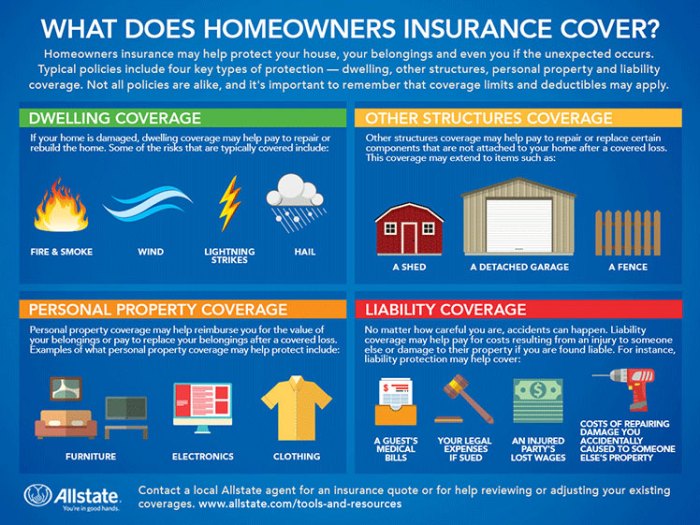
- Property Coverage: This covers the physical structure of the property, including the house and any other structures on the premises.
- Liability Coverage: Protects the investor in case someone is injured on their property and decides to sue.
- Loss of Rental Income: This coverage helps compensate investors for lost rental income if the property becomes uninhabitable due to covered damages.
- Personal Property Coverage: Insures the belongings inside the property, such as furniture, appliances, and electronics.
Homeowners Insurance for Rental Properties vs. Primary Residences
When it comes to homeowners insurance, there are some key differences between policies for rental properties and primary residences. Rental property insurance typically includes additional coverage for landlord-related risks, such as loss of rental income and liability protection for tenant injuries.
On the other hand, homeowners insurance for primary residences may focus more on personal property coverage and living expenses if the home becomes uninhabitable.
Factors Influencing Homeowners Insurance Quotes
When it comes to homeowners insurance quotes for property investors, there are several key factors that influence the cost of coverage. Understanding these factors can help investors make informed decisions when insuring their properties.One of the primary factors that affect homeowners insurance quotes is the location of the property.
Insurance companies consider the geographical location of the property when determining premiums. Properties located in areas prone to natural disasters such as hurricanes, earthquakes, or floods may have higher insurance costs due to the increased risk of damage. On the other hand, properties in low-risk areas may have lower insurance premiums.
Location and Insurance Costs
The location of a property plays a crucial role in determining homeowners insurance costs. Properties located in high-risk areas, such as coastal regions prone to hurricanes or areas with high crime rates, typically have higher insurance premiums. Insurance companies assess the risk associated with the location of the property and adjust premiums accordingly.
- Properties in flood-prone areas may require additional flood insurance, which can significantly increase insurance costs.
- Urban areas with high crime rates may also lead to higher insurance premiums due to the increased risk of theft or vandalism.
- Properties located in regions with a history of natural disasters may face higher premiums to cover potential damages from such events.
Age and Condition of the Property
In addition to location, the age and condition of the property are crucial factors that impact homeowners insurance premiums. Older properties or properties in poor condition may be more susceptible to damage, leading to higher insurance costs to cover potential repairs or replacements.
- Older properties may have outdated electrical systems, plumbing, or roofing, which can increase the risk of damage and result in higher insurance premiums.
- Properties in disrepair, with issues such as mold, pest infestations, or structural damage, may be deemed high-risk by insurance companies, leading to higher premiums.
- Investing in regular maintenance and upgrades for the property can help reduce insurance costs by minimizing the risk of damage or loss.
Comparing Different Insurance Providers
When it comes to homeowners insurance for property investors, comparing quotes from different providers is crucial to find the best coverage for your investment. Here is a guide on how to effectively compare insurance providers:
Consider Coverage Limits and Deductibles
- Compare the coverage limits offered by each insurance provider to ensure they meet your property's needs. Higher coverage limits may mean higher premiums, but it can provide better protection in case of a claim.
- Pay attention to the deductibles required by each provider. A higher deductible can lower your premium but may result in higher out-of-pocket costs when filing a claim.
Evaluate Reputation and Financial Stability
- Research the reputation of each insurance company by reading reviews from other customers. Look for any complaints filed against the company and how they were resolved.
- Check the financial stability of the insurance provider by reviewing their ratings from agencies like A.M. Best, Moody's, or Standard & Poor's. A financially stable company is more likely to fulfill claims promptly.
Tips for Saving on Homeowners Insurance
When it comes to saving on homeowners insurance, property investors can implement various strategies to lower their premiums and maximize their savings. One effective way is to explore bundling options with other insurance policies to potentially receive discounts. Additionally, improving property security and maintenance can also lead to reduced insurance costs.
Bundling Options for Discounts
One way property investors can save on homeowners insurance is by bundling their policies with other insurance products, such as auto or life insurance. Insurance providers often offer discounts to customers who purchase multiple policies from them, which can result in significant savings over time.
Improving Property Security and Maintenance
Another effective way to lower homeowners insurance costs is by enhancing property security measures and maintaining the property in good condition. Installing security systems, smoke detectors, and deadbolt locks can reduce the risk of potential damages or losses, leading to lower insurance premiums.
Regular maintenance of the property, such as repairing roof leaks or updating electrical systems, can also demonstrate to insurance providers that the property is well-maintained and less susceptible to risks.
Ending Remarks
In conclusion, Homeowners Insurance Quote Planning for Property Investors is a crucial aspect of managing real estate investments effectively. By understanding the nuances of insurance coverage, comparing quotes diligently, and implementing cost-saving strategies, property investors can safeguard their assets and maximize returns in the long run.
As you delve deeper into the realm of homeowners insurance, remember to stay informed, proactive, and strategic in your decision-making process.
Key Questions Answered
What factors determine homeowners insurance costs for property investors?
The location of the property, age, and condition of the property are key factors that influence insurance premiums for property investors.
How can property investors save on homeowners insurance?
Property investors can explore bundling options, improve property security, and maintain their properties effectively to lower insurance costs.
Why is it important to consider coverage limits and deductibles when comparing insurance quotes?
Understanding coverage limits and deductibles is crucial for property investors to ensure adequate protection and financial security in case of unforeseen events.